
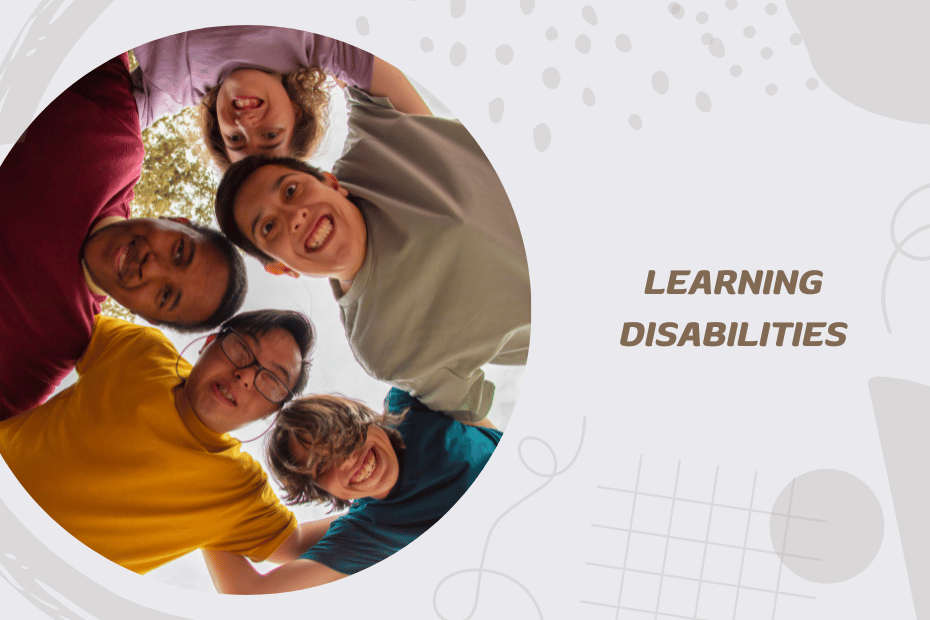
Learning disabilities are more common than many people realize, affecting how individuals process and understand information. These disabilities, which range from dyslexia to ADHD to auditory processing disorders, can significantly impact learning, but with the right strategies, individuals can succeed academically and personally. Having worked closely with individuals facing these challenges, I’ve seen how tailored strategies can make a world of difference in empowering people to reach their potential.
Understanding Learning Disabilities
Before diving into strategies, it’s essential to grasp what learning disabilities are. Learning disabilities are neurological differences in how the brain processes information. This can affect reading, writing, math, and other cognitive functions. For example, dyslexia affects reading fluency and comprehension, while dysgraphia impacts writing skills, and ADHD often involves difficulties with focus and impulse control.
It’s important to remember that learning disabilities are not a reflection of intelligence. In fact, many people with learning disabilities are highly intelligent but simply need to learn in different ways. This shift in understanding helps reduce stigma and encourages more effective support strategies.
Developing Self-Awareness and Advocacy
One of the most powerful tools for individuals with learning disabilities is self-awareness. When someone understands how their brain works, they can identify their strengths and weaknesses. This is crucial because it helps them approach tasks with strategies that align with their learning style. For example, if a student knows that they struggle with reading comprehension but excel in auditory learning, they can use audiobooks or text-to-speech software to help them absorb information.
Self-advocacy goes hand in hand with self-awareness. Encouraging individuals to speak up about what they need—whether it’s extra time on assignments, access to technology, or a quieter space to work—empowers them to take control of their education. This is a vital skill that can benefit individuals not only in school but throughout their careers. Schools and workplaces are increasingly offering accommodations for learning disabilities, but it often requires individuals to ask for the help they need.
Building a Strong Support Network
Success doesn’t happen in isolation. For individuals with learning disabilities, a strong support network is key. This network can include family, friends, teachers, and professionals like tutors or therapists who specialize in learning disabilities. The role of parents and caregivers is especially crucial in the early stages of a child’s development, as they can help establish routines, reinforce strategies, and offer emotional support.
Educators also play a pivotal role in this network. Teachers who are trained to recognize and accommodate learning disabilities can make a significant difference in a student’s experience. For example, they might modify lessons to cater to different learning styles or provide additional resources for students who need them. Outside of school, joining support groups or online communities where people share similar experiences can be incredibly empowering. These groups can provide advice, resources, and, most importantly, a sense of belonging.
Time Management and Organizational Skills
One of the biggest challenges for students with learning disabilities is time management. Whether it’s due to difficulties focusing, remembering deadlines, or staying organized, managing time effectively is crucial for success. A great way to overcome this is by using visual aids like calendars or color-coded planners to track assignments and deadlines. Breaking down tasks into smaller, more manageable steps can also prevent overwhelm.
For instance, a student with ADHD may struggle to focus on a single task for an extended period. In this case, using the Pomodoro Technique—where you work for 25 minutes and then take a 5-minute break—can help maintain focus and productivity. There are also apps designed to assist with time management, offering reminders, to-do lists, and progress trackers. By building a structured routine, individuals with learning disabilities can reduce stress and improve their academic performance.
Utilizing Assistive Technology
Technology has become a game-changer for individuals with learning disabilities. Assistive technology tools can help level the playing field by providing alternative ways to learn and complete tasks. For example, text-to-speech software reads aloud written content, which can be incredibly beneficial for those with dyslexia. Similarly, speech-to-text programs allow individuals with dysgraphia to express their thoughts without the physical act of writing, which can be a struggle.
Other helpful tools include mind-mapping software, which allows students to organize their thoughts visually, and organizational apps that help keep track of tasks and deadlines. Audiobooks are also a valuable resource, especially for individuals who retain information better when they hear it rather than read it. By incorporating these tools into their daily routines, students can enhance their learning experiences and boost their productivity.
Multisensory Learning Techniques
One of the most effective ways to engage students with learning disabilities is through multisensory learning, which involves using multiple senses to process information. For example, combining visual, auditory, and tactile learning can help reinforce concepts. This could look like using colored blocks to represent mathematical concepts or incorporating physical movement into spelling exercises.
Multisensory learning has been shown to enhance memory and understanding by making abstract concepts more tangible. It’s also a flexible approach that can be adapted to different subjects and learning environments. Whether it’s through hands-on activities, visual aids, or audio lessons, engaging multiple senses ensures that the learning experience is more comprehensive and effective for individuals with learning disabilities.
Celebrating Achievements and Building Confidence
When it comes to learning disabilities, progress can sometimes feel slow. That’s why it’s important to celebrate every success, no matter how small. Whether it’s mastering a new skill or simply staying organized for an entire week, recognizing these achievements helps build confidence and reinforces positive behavior.
This is especially important because individuals with learning disabilities often face more challenges than their peers, which can sometimes lead to frustration or self-doubt. By focusing on strengths and celebrating progress, we can foster a positive learning environment that encourages resilience and persistence. Confidence-building activities, whether through academic success or personal growth, play a crucial role in maintaining motivation and overcoming challenges.
Adapting Strategies for Individual Needs
One of the most important things to remember is that there is no one-size-fits-all approach to learning disabilities. What works for one person may not work for another, which is why flexibility is key. Some students might thrive with structured routines, while others need a more relaxed approach that allows for creativity and exploration. Teachers, parents, and individuals should be open to trying different strategies and adjusting them as needed.
For example, someone with dyscalculia may benefit from using visual aids in math, while another student with ADHD might excel with shorter, more frequent study sessions. Understanding these unique needs and adapting strategies accordingly ensures that each individual can find the methods that work best for them.
In Conclusion
Living with a learning disability doesn’t have to mean struggling in school or work. With the right strategies, support, and tools, individuals can overcome challenges and achieve success. Whether it’s through assistive technology, building a support network, or adopting effective time management techniques, there are many ways to turn potential difficulties into opportunities for growth. The journey may not always be easy, but with perseverance and the right approach, success is always within reach.